10
Movement Education

Your chair is reshaping your body.
Ten minutes daily starts undoing it.

Research-informed mobility guidance for people who spend most of their day seated. No supplements. No sales pitch. Just what the biomechanics literature actually says.

Desk worker experiencing neck and shoulder tension after long hours at computer
Scroll
"
Most desk pain isn't caused by weakness or injury. It's caused by sustained positions your tissues were never designed to hold for eight consecutive hours.
Pipepe — Movement Education
Person performing a hip flexor stretch as part of a morning mobility routine at home

Movement education grounded in published biomechanics, not physical therapy tradition

Physical therapy is a clinical discipline designed for rehabilitation after injury or surgery. The biomechanics literature is broader. It covers how healthy tissues respond to load, position, and movement frequency in everyday populations, including people who sit at desks for a living. We read both, and we tell you when they agree and when they diverge.

See what we read

What happens in the body when you sit all day

Anatomical illustration-style photograph showing hip flexor muscle engagement during seated position
Anatomy

What eight hours of sitting does to your hip flexors

The iliopsoas is a deep hip flexor that connects your lumbar spine to your femur. When it spends most of the day in a shortened position, it adapts. That adaptation is measurable, gradual, and reversible with the right approach.

Read more
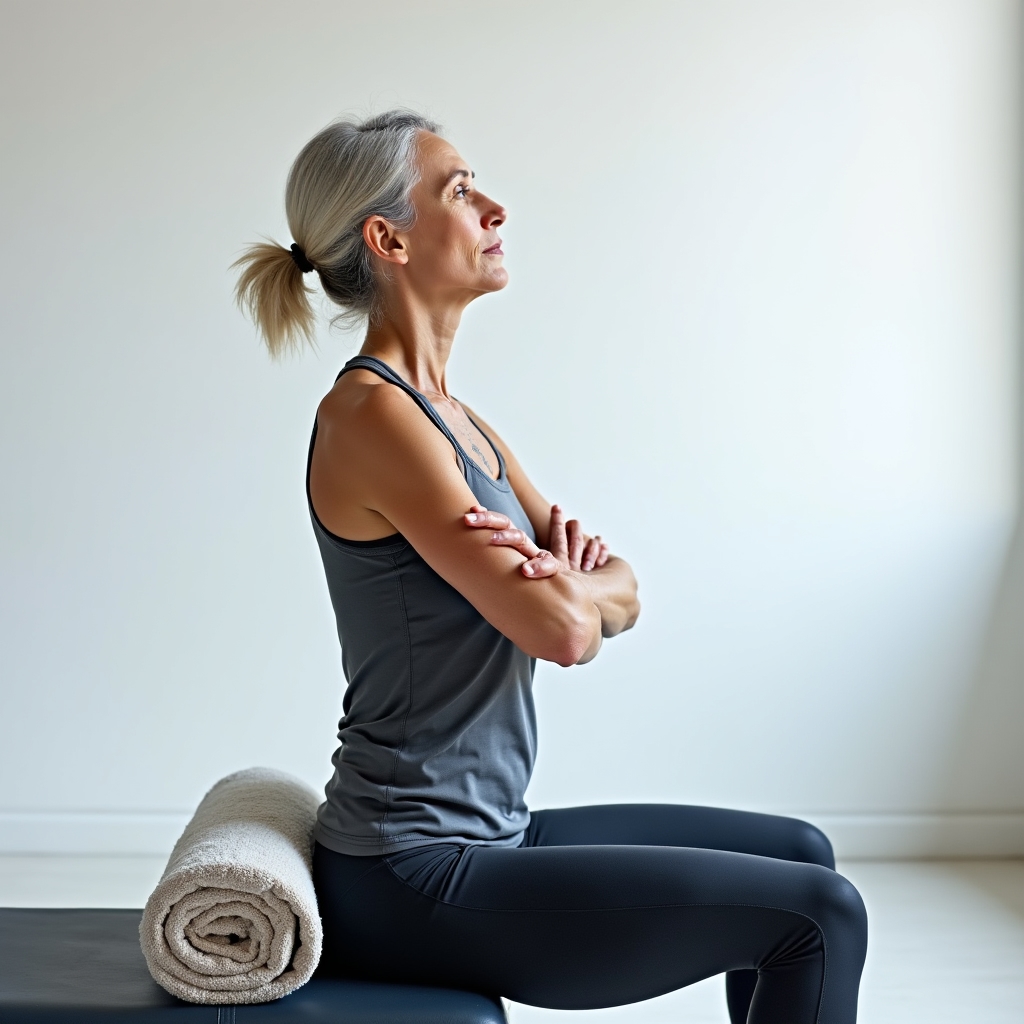
Side profile of person demonstrating thoracic spine extension exercise against a bright minimalist background
Mobility

Thoracic spine mobility and why your shoulders depend on it

The thoracic spine is the segment between your neck and lower back. It's designed to rotate and extend. Most desk workers lose a significant portion of that range over time, and the shoulder joint compensates in ways that eventually cause pain.

Read more
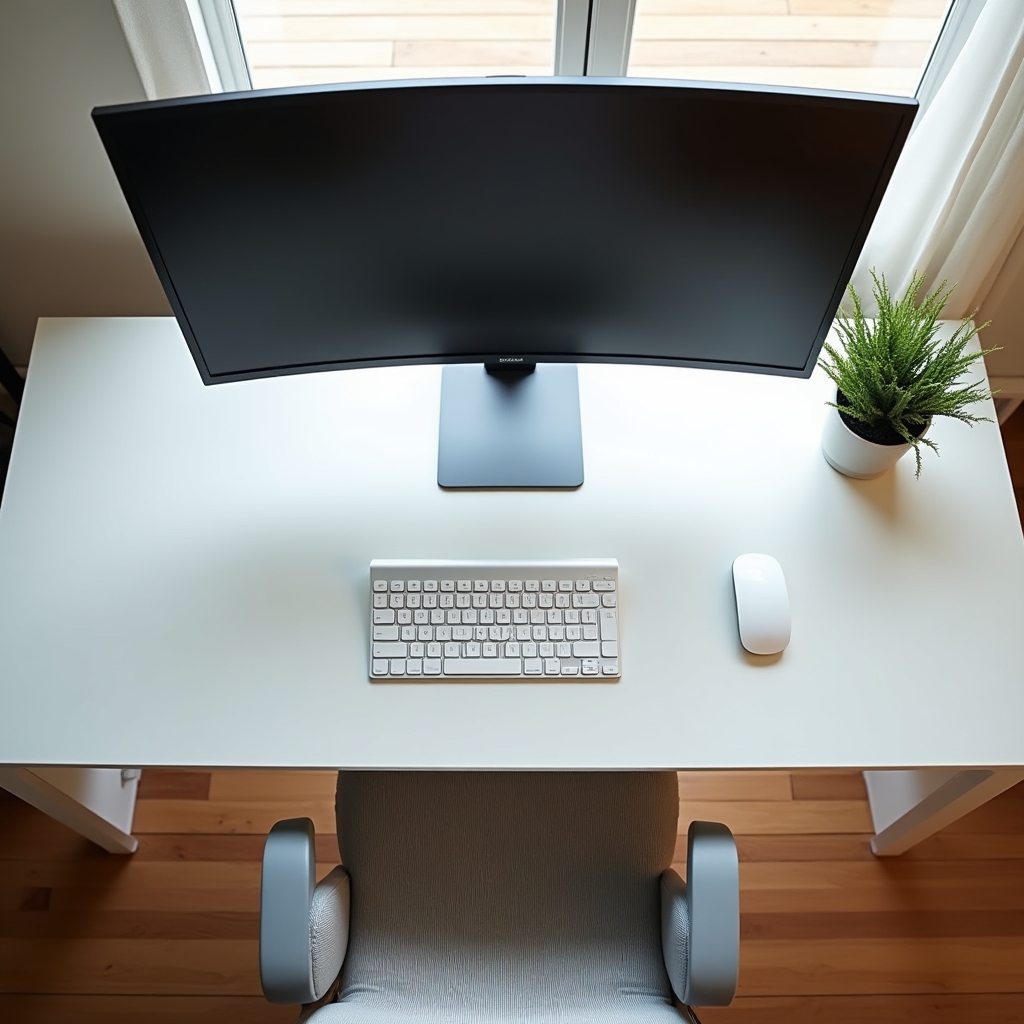
Overhead view of a well-configured ergonomic desk workspace with monitor at eye level, keyboard positioned for neutral wrists
Ergonomics

The desk setup checklist that takes fifteen minutes to implement

Monitor position, chair height, keyboard distance, screen brightness. Four variables that collectively determine how your neck and shoulders load across the workday. Most people have at least two of them misconfigured.

Read more
Close-up of foam roller being used on upper back with person lying on floor in bright minimalist room
Tools

Foam rolling: separating the evidence from the marketing

Self-myofascial release tools have accumulated a large body of claims. Some hold up under research scrutiny. Others don't. Knowing which is which helps you spend your ten minutes on what actually produces change.

Read more

What changes after three weeks of daily practice

Three weeks is approximately the minimum threshold for neuromuscular adaptation to short daily movement practice. Not because it's a magic number, but because that's roughly how long it takes for the nervous system to begin treating new movement patterns as familiar rather than effortful. The changes in the first three weeks are largely neurological. The structural tissue changes come later.

Most people notice reduced morning stiffness first. Then a change in how their neck feels by Thursday afternoon. The lower back tends to be slower to respond, partly because the hip flexor and thoracic adaptations need to progress before the lumbar spine unloads.

Neurological familiarity

The nervous system stops treating new movement patterns as unfamiliar and effortful.

Reduced morning stiffness

The first perceptible change most people notice. Usually appears in week two.

Sustained tissue extensibility

Unlike a single stretching session, daily practice begins to produce lasting rather than temporary change.

Cumulative load reduction

Better tissue mobility means the desk posture distributes load more evenly across the working day.

Person stretching at a standing desk in a bright modern office, demonstrating an upright posture after implementing daily mobility practice

The biomechanics texts behind what we write

Every article on this site draws from published research. We maintain a transparent list of the books and papers that inform our perspective, so readers can follow the source material directly rather than taking our summaries on faith.

View the reading list
Stack of biomechanics and sports science textbooks on a clean white desk with minimal Scandinavian-style decor